Gilgit-Baltistan is home to some of Pakistan’s most spectacular mountain landscapes, valleys, lakes, glaciers, historic sites, and high-altitude destinations. From K2 and Fairy Meadows to Hunza, Skardu, Astore, Ghizer, and Ghanche, the region offers destinations for sightseeing, trekking, mountaineering, photography, and cultural experiences.
Below is a list of 100 places to visit in Gilgit-Baltistan, covering popular destinations as well as lesser-known valleys and mountain areas.
1. K2 Base Camp
K2 is the second-highest mountain in the world and one of the most iconic destinations in the Karakoram. The K2 Base Camp trek passes through Concordia and offers spectacular views of some of the world’s highest peaks.
For detailed information, read our guide to K2 Chhogori, the King of the Karakoram.
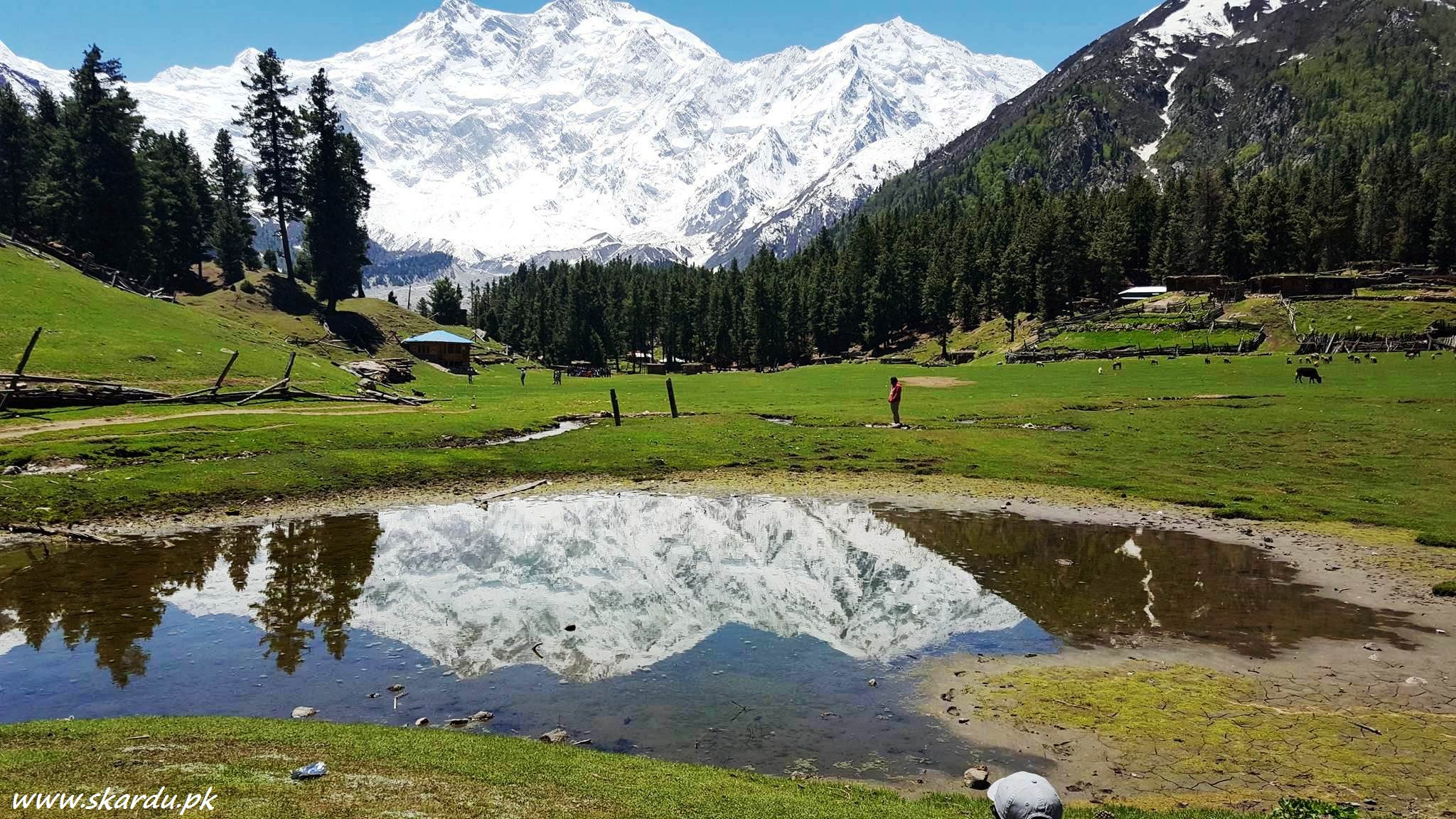
2. Fairy Meadows
Fairy Meadows is a scenic alpine meadow in Diamer District with spectacular views of Nanga Parbat. It is one of the region’s most popular trekking and nature destinations.
For trekking information, see our Fairy Meadows Nanga Parbat Trek guide.
3. Deosai National Park
Deosai is a vast high-altitude plateau located mainly in the Skardu District, with routes connecting it to Astore and other parts of the region. It is known for its dramatic landscapes and Himalayan brown bears.
Read our detailed Deosai National Park guide.
4. Naltar Valley
Naltar is a forested valley near Gilgit known for its lakes, greenery, winter snowfall, and ski resort. The valley is particularly popular for outdoor activities and scenic mountain landscapes.
5. Hushe Valley
Hushe Valley in Ghanche District is famous for its granite peaks, trekking routes, and mountaineering opportunities. It provides access to several major peaks and remote valleys of the Karakoram.
6. Hunza Valley
Hunza is one of the most popular tourist destinations in Gilgit-Baltistan, known for its mountain scenery, historic forts, villages, and cultural heritage. Major attractions include Altit Fort, Baltit Fort, Attabad Lake, Passu, and Khunjerab.
Read our Hunza Valley guide for more information.
7. Phander Valley
Phander Valley in Ghizer District is known for its green meadows, clear lakes, mountain scenery, and trout-filled rivers and streams.
8. Upper and Lower Kachura Lakes
Located near Skardu, Upper and Lower Kachura Lakes are among the best-known lake destinations in the region. Lower Kachura is also associated with the famous Shangrila Resort.
For more attractions in the area, see our guide to the Best Places to Visit in Skardu.
9. Minimarg Valley
Minimarg is a remote valley associated with Astore and the Gurez region. The area is accessible through Burzil Pass during the summer season and is known for its mountain scenery and alpine landscapes.
10. Rama Meadows, Astore
Rama Meadows is a scenic destination in Astore surrounded by alpine forests and mountain landscapes. It is a popular stop for travelers exploring the Astore region.
11. Attabad Lake
Attabad Lake in Hunza was formed following a massive landslide in 2010. Today, its striking blue waters and surrounding mountains make it one of the most recognizable attractions in Gilgit-Baltistan.
12. Nagar Valley
Nagar Valley is known for its mountain scenery, traditional villages, orchards, and views of some of the major peaks of the Karakoram.
13. Passu Cones
Passu Cones are a distinctive group of sharp mountain peaks in Upper Hunza. They are particularly famous for their views from the Karakoram Highway.
14. Ishkoman Valley
Ishkoman Valley in Ghizer District is known for its remote mountain landscapes, valleys, rivers, and trekking opportunities.
More Places to Visit in Gilgit-Baltistan
The following destinations offer many more opportunities for sightseeing, trekking, mountaineering, photography, and cultural exploration across Gilgit-Baltistan.
- Kutwal Valley, Haramosh
- Bagrote Valley
- Danyore Valley
- Kargah Buddha
- Duikar
- Gupis
- Khalti Valley
- Hundarap Valley
- Yasin Valley
- Punial Valley
- Rupal Valley
- Derlay Lake
- Perishing
- Basho Valley
- Stak Valley
- Arandu Valley
- Xarba Tso Lake
- Tsok Nala
- Katpana Lake and Cold Desert
- Sarfa Ranga Cold Desert
- Hussainabad Broq and Masroor Rock
- Hussainabad Waterfall
- Gultari
- Manthoka Waterfall
- Khamosh Waterfall
- Shila Valley
- Shigar Fort
- Amborik Mosque
- Trango Towers
- Biafo Glacier
- Dasu Gemstone Mines
- Chotron Hot Springs
- Kharfaq Lake
- Thalay Valley
- Barah Lake
- Ghanche Lake
- Chaqchan Mosque
- Khaplu Fort
- Hanjoor
- Saling Resort
- Machulu
- Haldi Cones
- Nangma Valley
- Kondus Hot Spring
- Saltoro Valley
- Masherbrum Base Camp
- K7 Base Camp
- Machulu La
- Burzil La
- Nagar Valley
- Biafo Glacier
- Rush Lake
- Baltit Fort and Altit Fort
- Khunjerab Border
- Gulmit
- Shimshal Valley
- Misgar
- Borith Lake
- Manthal Buddha Rock
- Shigar Buddha Rock
- Hussaini Suspension Bridge
- Hopper Valley
- Hispar Valley
- Chunda Valley
- Rainbow Lake
- Darkut
- Gupis Valley
- Gojal
- Sadpara Lake
- Burzil Pass
- Das Kharim
- Banak La
- Mazino Pass
- Kinibari
- Bubin Pass
- Khane Valley
- Sher Qila
- Hashupi Garden
- Chilas Rock Paintings
- Karamber Lake
- Shandur Pass
- Shounter Pass
- Minapin, Nagar
- Rakaposhi Base Camp
- Hombroq K2 View Point
- Gulshan e Kabir Broq
Planning Your Trip to Gilgit-Baltistan
The best destination depends on your interests. Skardu is ideal for exploring lakes, deserts, valleys, and high-altitude landscapes. Hunza is known for its cultural sites, valleys, and Karakoram scenery, while Astore, Ghizer, Ghanche, and other districts offer quieter valleys and trekking destinations.
Before visiting remote areas, check the latest weather and road conditions because accessibility can change significantly by season.
For broader travel information, see our Gilgit-Baltistan travel resources.